

Importance of Preventative Health Care is a crucial aspect of maintaining overall well-being and avoiding chronic health issues. In Australia, where lifestyle-related diseases are prevalent, understanding the importance of preventative measures can empower individuals to take control of their health. By focusing on prevention, we can enhance quality of life and reduce the burden on our healthcare system. What is Preventative Health Care? Preventative health care includes measures taken to prevent diseases or illnesses before they occur. This can involve regular health check-ups, screenings, vaccinations, and lifestyle changes aimed at reducing risk factors. According to the Australian Institute of Health and Welfare, preventative health strategies are essential in combating the rise of conditions such as obesity, diabetes, and cardiovascular diseases. Benefits of Preventative Health Care Early Detection of Health Issues: Regular screenings and check-ups can help detect potential health problems before they become serious. For instance, routine blood pressure checks and cholesterol screenings can identify risks for heart disease early, allowing for timely intervention. Cost Savings: Investing in preventative care can lead to significant cost savings in the long run. By addressing health issues early, individuals can avoid costly treatments and hospitalizations associated with advanced diseases. Enhanced Quality of Life: Maintaining a focus on preventative health can lead to a healthier lifestyle, which translates to improved energy levels, better mental health, and a higher overall quality of life. Engaging in regular exercise, a balanced diet, and stress management can contribute to long-term health. Empowerment and Education: Preventative health care emphasizes the importance of education and awareness. Individuals who are informed about their health are more likely to make healthier choices and take proactive steps to manage their well-being. Key Preventative Health Measures Regular Health Check-Ups: Schedule regular visits with your healthcare provider for comprehensive health assessments. This includes monitoring vital signs, discussing family medical history, and reviewing lifestyle choices. Vaccinations: Stay up-to-date with vaccinations to prevent infectious diseases. The Australian Government Department of Health provides a vaccination schedule to help you keep track of necessary immunizations. Healthy Lifestyle Choices: Focus on a balanced diet, regular physical activity, and adequate sleep. The Australian Dietary Guidelines provide recommendations for maintaining a nutritious diet, while the Physical Activity and Sedentary Behaviour Guidelines encourage at least 150 minutes of moderate exercise per week. Mental Health Awareness: Pay attention to your mental health and seek help when needed. Resources like Beyond Blue and Headspace offer support and information for maintaining mental well-being. Participate in Screening Programs: Take advantage of national screening programs for conditions such as breast, cervical, and bowel cancer. These programs aim to detect cancers early when they are most treatable. Information on these screenings can be found through Cancer Council Australia. Engage with the Life! Program: The Life! Program offers resources and support for individuals looking to adopt healthier lifestyles and manage weight. This program focuses on preventative health through education, encouraging participants to take proactive steps in their health journey. Conclusion Importance of Preventative Healthcare is an essential component of a healthy lifestyle. By prioritizing regular check-ups, vaccinations, and healthy lifestyle choices, Australians can reduce their risk of chronic diseases and improve their overall quality of life. Investing in preventative measures not only benefits individual health but also contributes to a healthier community and a more sustainable healthcare system. For more information and support on your journey towards better health, explore the resources available through the Life! Program. Stay proactive, stay healthy, and empower yourself to lead a fulfilling life.

Healthy Eating on a Budget: Tips for Affordable Nutrition
Eating well is vital for maintaining good health, but many Australians believe that nutritious food comes at a high price. Fortunately, eating healthily on a budget is not only possible but also manageable with some planning and smart choices. By adopting cost-effective strategies, you can nourish your body without breaking the bank. Understanding the Importance of Healthy Eating According to the Australian Dietary Guidelines, a balanced diet is essential for overall health, reducing the risk of chronic diseases, and maintaining a healthy weight. However, many individuals face challenges in accessing affordable, nutritious foods. Here are some key reasons why healthy eating is crucial: Prevent Chronic Diseases: A nutritious diet rich in fruits, vegetables, whole grains, and lean proteins can help reduce the risk of conditions such as heart disease, diabetes, and obesity. Boost Energy Levels: Eating a balanced diet provides the necessary nutrients and energy needed for daily activities, helping you stay active and productive. Improve Mental Well-Being: Nutrition also plays a role in mental health. Consuming a variety of healthy foods can positively impact mood and cognitive function. Tips for Eating Healthy on a Budget Plan Your Meals: Meal planning is one of the most effective ways to save money and reduce food waste. Take some time each week to plan meals and create a shopping list. This helps avoid impulse buys and ensures you have all the ingredients you need. Shop Seasonally: Fruits and vegetables that are in season are often cheaper and taste better. Visit local farmers’ markets or check out your local supermarket’s seasonal produce section. The Australian Government’s Seasonal Produce Guide offers insights into what’s in season when. Buy in Bulk: Purchasing items like grains, legumes, nuts, and seeds in bulk can significantly reduce costs. Look for bulk bins at your local supermarket or specialty health food stores. Just be sure to store these items properly to maintain their freshness. Cook at Home: Preparing meals at home is not only healthier but also more economical than eating out. Simple recipes can be made with affordable ingredients. Websites like Taste Australia offer a variety of budget-friendly recipes that are easy to follow. Incorporate Plant-Based Proteins: Beans, lentils, and chickpeas are nutritious and cost-effective protein sources. They can be used in a variety of dishes, from soups to salads, and can help reduce the overall cost of your meals. Use Leftovers Creatively: Repurposing leftovers into new meals can save both time and money. For example, use roasted vegetables from dinner in a salad or blend them into a soup for lunch the next day. Take Advantage of Discounts and Specials: Keep an eye out for sales and discounts at your local grocery store. Many supermarkets have loyalty programs that offer savings on regular purchases. Apps like Shopper can help you find the best deals in your area. Engage with Community Programs: Look for local initiatives that promote healthy eating, such as the Life! Program. This program provides resources and support for individuals seeking to improve their nutrition and overall health on a budget. Conclusion Eating healthily on a budget is entirely achievable with a little planning and creativity. By incorporating these tips into your routine, you can enjoy nutritious meals that support your health without straining your finances. Remember, every small step counts on your journey to better health. For additional resources and support in your efforts to eat well, explore the Life! Program. Embrace the challenge of healthy eating on a budget, and enjoy the benefits it brings to your life!
The Role of Social Connections in Maintaining a Healthy Lifestyle
In today’s fast-paced world, the significance of social connections often goes overlooked. However, fostering relationships and community ties can play a crucial role in maintaining a healthy lifestyle, especially for Australians. As we navigate the challenges of daily life, the support of friends, family, and community can be a powerful catalyst for positive change. The Importance of Social Connections Research has consistently shown that social connections contribute to overall well-being. According to the Australian Institute of Health and Welfare, strong social ties are associated with improved mental health outcomes and a reduced risk of chronic diseases. Here’s how social connections can positively impact your health: Emotional Support: Having a network of supportive friends and family can help you cope with stress, anxiety, and depression. Emotional support encourages open communication and provides reassurance during challenging times. Accountability: Sharing your health goals with friends or joining a community group can foster accountability. When you know others are supporting your journey, you’re more likely to stick to your healthy habits, whether it’s exercising regularly or eating well. Motivation and Encouragement: Engaging in physical activities or healthy cooking with others can make the process more enjoyable and motivating. Community exercise classes, sports teams, or cooking clubs can provide the encouragement needed to stay active and committed to a healthy lifestyle. Increased Participation in Healthier Activities: Socializing can lead to more opportunities for engaging in physical activities. Whether it’s a group hike, a dance class, or a friendly sports match, being with others can motivate you to participate in healthier choices. Mental Well-Being: Social interactions can reduce feelings of loneliness and isolation, which are linked to various mental health issues. Programs like Headspace focus on providing mental health support and fostering social connections among young Australians. Building and Strengthening Social Connections Here are some practical tips for cultivating social connections that can enhance your health: Join Local Groups: Participate in community activities or clubs that align with your interests. Whether it’s a gardening group, a sports team, or a book club, engaging in shared activities can help you meet new people. Volunteer: Giving back to the community not only benefits others but also helps build connections. Volunteering at local organizations can introduce you to like-minded individuals while contributing to a greater cause. Use Technology Wisely: Social media and apps can help maintain connections with friends and family, especially if distance is a barrier. Use these platforms to organize meetups, share healthy recipes, or challenge each other to fitness goals. Participate in Community Health Programs: Programs like the Life! Program offer workshops and support networks that can connect you with others on a similar journey towards better health. Prioritize Quality Time: Make an effort to spend quality time with loved ones. Whether it’s cooking a healthy meal together or going for a walk, nurturing these relationships can have lasting benefits on your mental and physical health. Conclusion Social connections are a vital component of maintaining a healthy lifestyle. By fostering relationships and engaging with your community, you can create a supportive network that enhances your well-being. Remember, building connections takes time and effort, but the rewards are well worth it. For additional resources and support in your journey to a healthier lifestyle, explore the Life! Program. Embrace the power of social connections, and enjoy the positive impact they can have on your health and happiness!
Building Healthy Habits: Tips for Lasting Change
Creating and maintaining healthy habits can feel like a daunting task, especially in today’s fast-paced world. However, establishing a routine that promotes physical and mental well-being is crucial for long-term health. In Australia, where lifestyle-related health issues are on the rise, understanding how to build and sustain healthy habits is more important than ever. The Importance of Healthy Habits Healthy habits contribute to overall well-being, improve quality of life, and reduce the risk of chronic diseases. According to the Australian Institute of Health and Welfare, lifestyle factors such as diet, physical activity, and smoking significantly impact health outcomes. By adopting healthy habits, you can enhance your energy levels, improve your mood, and increase your resilience to stress. Tips for Building Lasting Healthy Habits Start Small: It’s easy to feel overwhelmed when trying to make significant changes all at once. Begin by focusing on small, manageable changes that can lead to lasting results. For example, start with a daily 10-minute walk or add an extra serving of vegetables to your meals. Set Clear Goals: Define what you want to achieve with your healthy habits. Setting SMART goals—Specific, Measurable, Achievable, Relevant, and Time-bound—can help you stay focused and motivated. For instance, instead of saying, “I want to eat healthier,” try, “I will include two servings of fruit in my diet each day.” Create a Routine: Consistency is key to building habits. Try to incorporate your healthy activities into your daily routine. Whether it’s a morning workout, meal prepping on Sundays, or scheduled mindfulness breaks, having a set time for these activities can help reinforce the habit. Track Your Progress: Keeping a journal or using an app can help you monitor your progress and stay accountable. Tracking your meals, exercise, and feelings can provide insights into what works and what doesn’t. Resources like MyFitnessPal can assist you in logging your activities and achievements. Stay Flexible: Life can be unpredictable, and it’s important to adapt your habits when necessary. If you miss a workout or indulge in a treat, don’t be too hard on yourself. Instead, focus on getting back on track without guilt. Find Support: Surround yourself with supportive friends and family who encourage your healthy habits. Joining a community or group can provide motivation and accountability. The Life! Program offers workshops and resources for Australians looking to make healthier lifestyle choices together. Celebrate Small Wins: Acknowledge your achievements, no matter how small. Celebrating your progress reinforces your commitment to your goals and boosts motivation. Treat yourself to something enjoyable—a day out, a new book, or a relaxing evening. Local Resources for Healthy Living Australia offers numerous resources to help you on your journey toward healthier habits: Nutrition Australia: Provides information on balanced diets, meal planning, and nutrition education. Australian Physical Activity and Sedentary Behaviour Guidelines: Offers guidance on how much exercise you need and the types of activities that are beneficial. Headspace: Focuses on mental health support and resources, including mindfulness and stress management techniques. Conclusion Building healthy habits is a journey that requires patience, commitment, and the right strategies. By starting small, setting clear goals, and seeking support, you can create a sustainable lifestyle that enhances your well-being. Remember, the changes you make today can lead to a healthier, happier tomorrow. For more resources and support on your journey to better health, explore the Life! Program. Embrace the process of building healthy habits, and enjoy the positive impact they have on your life.

Understanding the Impact of Stress on Your Health and How to Manage It
In our fast-paced lives, stress has become a common experience for many Australians. Whether it’s work-related pressures, family responsibilities, or the challenges of daily life, understanding how stress affects our health is crucial for maintaining overall well-being. Moreover, implementing effective stress management techniques can significantly enhance our quality of life. The Effects of Stress on Health Stress can have both immediate and long-term impacts on physical and mental health. According to Beyond Blue, approximately one in six Australians experiences anxiety or depression, conditions often exacerbated by chronic stress. Here are some ways stress can affect your health: Physical Health: Chronic stress can lead to a range of physical health issues, including hypertension, heart disease, and weakened immune response. The Australian Institute of Health and Welfare highlights the connection between stress and chronic conditions, emphasizing the need for effective management strategies. Mental Well-Being: Prolonged stress can lead to anxiety, depression, and other mental health disorders. The mental load of constant stress can hinder cognitive function, affecting memory, focus, and decision-making. Sleep Disruptions: Stress often disrupts sleep patterns, leading to insomnia or poor-quality sleep. According to the Sleep Health Foundation, lack of sleep can further contribute to stress, creating a vicious cycle that impacts overall health. Unhealthy Coping Mechanisms: Many people turn to unhealthy behaviors, such as overeating, smoking, or excessive alcohol consumption, as a way to cope with stress. These behaviors can further exacerbate health problems, leading to a decline in overall well-being. Effective Stress Management Strategies Managing stress effectively is essential for maintaining both mental and physical health. Here are some practical strategies that can help: Mindfulness and Meditation: Practicing mindfulness and meditation can help ground you in the present moment and reduce feelings of anxiety. Apps like Smiling Mind offer guided meditations specifically designed for stress relief. Regular Exercise: Physical activity is a powerful stress reliever. Engaging in regular exercise, such as walking, swimming, or yoga, releases endorphins, which can improve your mood and reduce stress levels. The Heart Foundation recommends at least 150 minutes of moderate-intensity exercise each week. Healthy Eating: A balanced diet can play a significant role in stress management. Foods rich in vitamins, minerals, and omega-3 fatty acids—such as leafy greens, nuts, and fish—can help improve your body’s response to stress. The Australian Dietary Guidelines provide valuable resources for healthy eating. Social Support: Building and maintaining strong social connections can act as a buffer against stress. Talking to friends, family, or support groups can provide emotional relief and practical support during challenging times. Seek Professional Help: If stress becomes overwhelming, seeking help from a mental health professional can be beneficial. Programs like the Life! Program offer resources and support for individuals struggling with stress and lifestyle changes. Conclusion Understanding the impact of stress on your health is the first step toward managing it effectively. By incorporating mindfulness, exercise, healthy eating, social support, and professional guidance into your routine, you can reduce stress and enhance your overall well-being. For more information on managing stress and improving your health, visit the Life! Program and explore the resources available to support your journey toward a healthier, more balanced life. Remember, taking proactive steps to manage stress is not just beneficial—it’s essential for living your best life.

How to Create a Sustainable Exercise Routine That Works for You
In Australia, the importance of physical activity is widely recognized, yet many struggle to maintain a consistent exercise routine. With busy lives and varying schedules, finding a sustainable way to incorporate exercise can be challenging. However, with the right approach, creating an enjoyable and lasting exercise routine is achievable and can lead to significant health benefits. Understanding the Benefits of Regular Exercise Regular physical activity is essential for maintaining good health. The Australian Physical Activity and Sedentary Behaviour Guidelines recommend that adults engage in at least 150 to 300 minutes of moderate-intensity physical activity each week. The benefits of exercise include: Improved Cardiovascular Health: Regular activity helps reduce the risk of heart disease and stroke. Weight Management: Exercise aids in maintaining a healthy weight and can help prevent obesity. Enhanced Mental Well-Being: Physical activity has been shown to reduce symptoms of anxiety and depression, boosting overall mood and cognitive function. Steps to Create Your Sustainable Exercise Routine Set Realistic Goals: Begin by identifying your fitness goals. Are you looking to lose weight, build strength, or simply improve your overall health? Setting SMART goals—Specific, Measurable, Achievable, Relevant, and Time-bound—can help you stay focused and motivated. Choose Activities You Enjoy: Exercise doesn’t have to be a chore. Explore different types of physical activity to find what you enjoy. Whether it’s swimming at the local pool, cycling along the coast, or joining a yoga class, doing activities you love makes it easier to stick with your routine. Schedule Your Workouts: Treat your exercise like any other important appointment. Set aside specific times in your weekly schedule for workouts, and treat these times as non-negotiable. Consistency is key to building a sustainable routine. Start Slowly and Progress Gradually: If you’re new to exercise, start with shorter sessions and gradually increase the intensity and duration. This approach reduces the risk of injury and helps build confidence. Incorporate Variety: To prevent boredom and keep your body challenged, include a mix of aerobic, strength, and flexibility exercises in your routine. Try alternating between different activities throughout the week. Listen to Your Body: Pay attention to how your body feels during and after exercise. If you experience pain or excessive fatigue, it’s essential to rest and allow your body to recover. Finding the right balance between activity and recovery is crucial for long-term success. Join a Community or Group: Engaging with others can provide motivation and accountability. Consider joining a local sports club, group fitness class, or community program. The Life! Program offers support for individuals looking to improve their health through physical activity, providing a network of encouragement and resources. Local Resources for Exercise For those looking to explore more about physical activity, several resources are available: Exercise & Sports Science Australia (ESSA): Offers information on accredited exercise professionals and tips for effective exercise planning. HealthDirect Australia: Provides guidance on various types of physical activities suitable for different age groups and fitness levels. AB Health and Fitness: Offers tailored fitness programs and expert advice on maintaining a healthy lifestyle. Conclusion Creating a sustainable exercise routine that works for you is about finding enjoyment and consistency in your activities. By setting realistic goals, choosing enjoyable exercises, and incorporating variety, you can develop a routine that not only improves your physical health but also enhances your overall well-being. Remember, every step counts on your journey to better health. For more resources and support, explore the Life! Program and take the first step toward a more active lifestyle. Embrace the journey and enjoy the benefits of movement—your body and mind will thank you!

The Benefits of a Plant-Based Diet: Nourishing Your Body and the Planet
In recent years, the shift toward plant-based diets has gained popularity in Australia and around the world. As more Australians embrace this lifestyle, they discover the numerous benefits it offers—not just for personal health but also for the environment. A plant-based diet can provide essential nutrients while contributing to a more sustainable future. What is a Plant-Based Diet? A plant-based diet emphasizes foods derived from plants, including fruits, vegetables, whole grains, legumes, nuts, and seeds. While it doesn’t necessarily mean you must eliminate animal products completely, the focus is on incorporating more plant foods into your meals. According to Nutrition Australia, adopting a plant-based diet can lead to various health benefits when done thoughtfully. Health Benefits of a Plant-Based Diet Improved Heart Health: Research indicates that plant-based diets can lower the risk of heart disease. The Heart Foundation emphasizes the importance of consuming whole foods rich in fiber, which help manage cholesterol levels and promote heart health. Weight Management: Plant-based diets tend to be lower in calories and high in fiber, making it easier to maintain a healthy weight. According to a study published in the American Journal of Clinical Nutrition, individuals following plant-based diets often experience better weight management compared to those who consume more animal products. Reduced Risk of Chronic Diseases: A diet rich in fruits and vegetables can reduce the risk of chronic diseases, such as type 2 diabetes and certain cancers. The Australian Institute of Health and Welfare highlights the link between diet and health outcomes, noting that plant-based diets can provide protective effects against these diseases. Enhanced Digestive Health: High-fiber foods, common in plant-based diets, support healthy digestion and can prevent constipation. Fiber also promotes a healthy gut microbiome, which is increasingly recognized for its role in overall health. Environmental Benefits In addition to health benefits, a plant-based diet significantly impacts the environment. According to the Australian Conservation Foundation, livestock farming is a major contributor to greenhouse gas emissions, deforestation, and water consumption. By choosing plant-based foods, individuals can help reduce their carbon footprint and contribute to more sustainable food systems. Getting Started with a Plant-Based Diet Making the transition to a plant-based diet can be simple and enjoyable. Here are some tips to get started: Explore New Recipes: Discover delicious plant-based recipes that excite your taste buds. Websites like Plant-Based on a Budget offer affordable and tasty meal ideas. Gradual Changes: Start by incorporating more plant-based meals into your week. Meatless Mondays or veggie-packed meals can be a great way to ease into the lifestyle. Join a Community: Engaging with others on the same journey can provide support and motivation. Programs like the Life! Program offer resources for individuals looking to improve their nutrition and health, including guidance on adopting plant-based diets. Conclusion A plant-based diet offers numerous benefits for both personal health and the planet. By prioritizing whole, plant-derived foods, Australians can improve their well-being while contributing to a more sustainable future. As you explore the possibilities of plant-based eating, remember that small changes can lead to significant impacts. For more information on how to make healthier dietary choices, visit the Life! Program and discover the resources available to help you thrive. Embrace the journey toward nourishing your body and protecting our planet—one meal at a time!
Incorporating Mindfulness into Your Daily Routine for Better Health
In today’s fast-paced world, many Australians are seeking ways to enhance their mental and physical well-being. One effective approach that has gained significant traction is mindfulness. By integrating mindfulness practices into your daily routine, you can improve your health, reduce stress, and foster a greater sense of peace and balance in your life. What is Mindfulness? Mindfulness is the practice of being fully present in the moment, aware of your thoughts, feelings, and surroundings without judgment. It encourages a deeper connection to oneself and can lead to improved mental clarity, emotional stability, and overall health. Research shows that mindfulness can be particularly beneficial for managing stress and anxiety, which are prevalent issues in Australia today. According to Beyond Blue, one in six Australians experiences depression or anxiety in their lifetime. Mindfulness can serve as a valuable tool in managing these conditions by helping individuals cultivate a more positive outlook and coping strategies. Simple Ways to Incorporate Mindfulness Mindful Mornings: Start your day with intention. Take a few minutes each morning to practice deep breathing or meditation. Apps like Smiling Mind offer guided mindfulness exercises tailored for all ages. Mindful Eating: Pay attention to your meals. Focus on the flavors, textures, and aromas of your food. This practice not only enhances your eating experience but also helps in recognizing hunger and fullness cues, contributing to better nutritional choices. Nature Walks: Spend time outdoors and engage your senses. Notice the sights, sounds, and smells around you. Research from the Australian Institute of Health and Welfare shows that spending time in nature can reduce stress and improve mental well-being. Mindful Breathing: Throughout the day, take short breaks to focus on your breath. Inhale deeply through your nose, hold for a moment, and exhale slowly through your mouth. This simple practice can help ground you and reduce feelings of anxiety. Evening Reflection: Before bed, take a moment to reflect on your day. Write down three things you’re grateful for or any positive experiences you had. This practice can foster a sense of gratitude and improve your overall mood. Mindfulness and Community Support Participating in community programs can enhance your mindfulness journey. The Life! Program offers workshops and resources that incorporate mindfulness techniques alongside nutrition and physical activity. By joining a supportive community, you can share experiences, learn from others, and stay motivated in your health journey. Local Resources for Mindfulness Several resources are available for Australians looking to deepen their mindfulness practice: Headspace: A national youth mental health foundation providing support and resources, including mindfulness and meditation tools. The Black Dog Institute: Offers information on mental health and mindfulness, including strategies for coping with anxiety and depression. Conclusion Incorporating mindfulness into your daily routine can lead to significant improvements in both mental and physical health. By taking small steps to practice mindfulness—whether through mindful eating, nature walks, or meditation—you can cultivate a more balanced and fulfilling life. As Australians navigate the challenges of modern life, embracing mindfulness can provide a powerful antidote to stress and anxiety. For more information on programs that support a healthy lifestyle, visit the Life! Program and discover how you can enhance your well-being through mindfulness and community engagement.
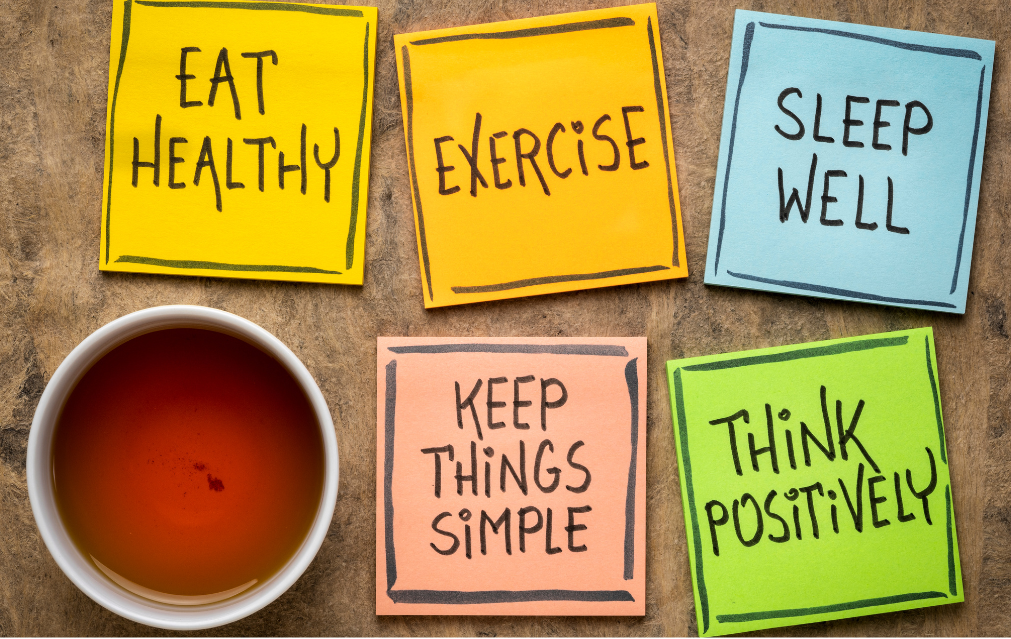
The Foundations of a Healthy Lifestyle: Nutrition, Exercise, and Sleep
In Australia, the pursuit of a healthy lifestyle is more important than ever. With rising rates of obesity, diabetes, and mental health issues, understanding the foundational pillars of health—nutrition, exercise, and sleep—can lead to significant improvements in overall well-being. By adopting a holistic approach, Australians can foster healthier lives for themselves and their communities. Nutrition: Fueling Your Body Right Nutrition is the cornerstone of a healthy lifestyle. A balanced diet rich in fruits, vegetables, whole grains, and lean proteins provides the essential nutrients needed for optimal health. According to Eat For Health, the Australian Dietary Guidelines recommend a variety of foods to ensure that we meet our nutritional needs. Incorporating foods like avocados, which are high in healthy fats, and native Australian superfoods like kangaroo meat and bush tomatoes can enhance your diet. Additionally, reducing the intake of processed foods and sugars is crucial for maintaining a healthy weight and preventing chronic diseases, as highlighted by the Australian Institute of Health and Welfare. Exercise: Moving for Life Regular physical activity is vital for maintaining a healthy lifestyle. Engaging in exercise not only improves physical health but also enhances mental well-being. The Heart Foundation recommends that adults aim for at least 150 minutes of moderate-intensity aerobic activity each week, combined with muscle-strengthening activities. Finding an exercise routine that you enjoy can make all the difference. Whether it’s walking along Bondi Beach, participating in a local sports club, or trying out a dance class, the key is to stay active and make it a fun part of your life. Community initiatives, such as those offered by the Life! Program, provide support for individuals looking to incorporate physical activity into their daily routines. Sleep: The Unsung Hero of Health While often overlooked, sleep is a critical component of a healthy lifestyle. Quality sleep supports physical health, mental clarity, and emotional resilience. The Sleep Health Foundation emphasizes the importance of good sleep hygiene, recommending that adults aim for 7-9 hours of sleep per night. To improve sleep quality, create a calming bedtime routine, limit screen time before bed, and ensure your sleep environment is comfortable and dark. Prioritizing sleep can lead to improved mood, better decision-making, and a greater ability to handle stress. Putting It All Together Adopting a healthy lifestyle is about finding balance among nutrition, exercise, and sleep. By making small, sustainable changes in each area, Australians can significantly enhance their well-being. Programs like the Life! Program offer valuable resources and support for individuals seeking to improve their health through education and community engagement. Conclusion The foundations of a healthy lifestyle—nutrition, exercise, and sleep—are interconnected and essential for overall well-being. By prioritizing these areas, Australians can lead healthier, more fulfilling lives. Whether you’re looking to eat better, get active, or improve your sleep, the journey toward a healthier lifestyle starts with informed choices and community support. For more information on how to take the first step toward a healthier you, visit the Life! Program and discover the resources available to help you thrive.

The Importance of Healthy Living: A Foundation for Societal Well-Being
In Australia, the focus on healthy living is gaining momentum, not only for the benefit of individual health but also for the well-being of society as a whole. As more Australians recognize the importance of adopting healthier habits, we see a ripple effect that extends beyond personal wellness to positively impact communities, economies, and the nation at large. The Collective Benefits of Healthy Living Healthy living encompasses a range of practices, including balanced nutrition, regular physical activity, and mental well-being. According to the Australian Institute of Health and Welfare, improving public health through healthy lifestyle choices can lead to reduced rates of chronic diseases, lower healthcare costs, and enhanced quality of life for all Australians. When individuals prioritize their health, they are more likely to contribute positively to their communities. Healthy individuals tend to be more productive, engage in community activities, and support local economies. The Heart Foundation emphasizes that promoting physical activity and healthy eating in communities can lead to a more vibrant and active society. Community Initiatives: Building a Culture of Health Community programs play a crucial role in fostering a culture of healthy living. The Life! Program is an excellent example of an initiative aimed at empowering Australians to adopt healthier habits. Through workshops and personalized support, the program provides individuals with the tools they need to improve their nutrition, increase physical activity, and enhance mental well-being. As participants in the Life! Program make positive lifestyle changes, they often inspire those around them to do the same, creating a supportive network focused on health. This collective commitment to wellness can lead to stronger, more resilient communities. Local Resources for Healthier Living For Australians looking to adopt healthier lifestyles, numerous resources are available: Eat For Health: A comprehensive resource that outlines the Australian Dietary Guidelines, helping individuals make informed dietary choices. Beyond Blue: Provides valuable support for mental health and well-being, highlighting the importance of emotional health in a thriving society. HealthDirect Australia: A government-funded service offering health information and advice to help Australians make informed health decisions. Conclusion Healthy living is vital not only for individual health but also for the overall well-being of society. As Australians embrace healthier habits, we can collectively create a culture of wellness that benefits everyone. Programs like the Life! Program provide essential support and education, empowering individuals to make positive changes that ripple throughout their communities. By prioritizing health at both the individual and societal levels, we pave the way for a healthier, happier Australia. For more information on how the Life! Program can support your journey to better health, visit Life! Program and join the movement towards a healthier future!