
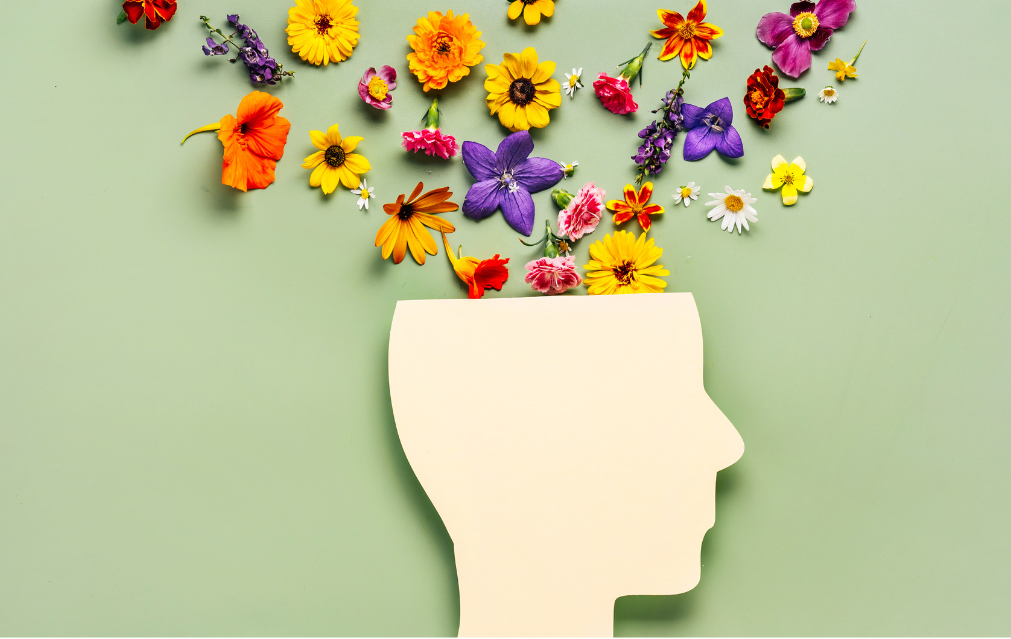
In Australia, the conversation around mental health is gaining significant traction, and for good reason. As research continues to highlight the connection between physical health and mental well-being, it becomes increasingly clear that adopting healthy living practices can lead to better mental health outcomes. From reducing anxiety and depression to enhancing overall mood, the benefits of a healthy lifestyle are profound. The Science of Mental Health Engaging in regular physical activity has been shown to release endorphins—often referred to as “feel-good” hormones. According to the Beyond Blue foundation, physical activity not only boosts mood but also plays a crucial role in managing stress and anxiety. Just a short walk or a session at the gym can elevate your spirits and create a sense of accomplishment. The Australian Institute of Health and Welfare reports that mental health issues affect millions of Australians each year. However, by incorporating physical activity into our daily routines, we can mitigate these effects. Activities such as swimming, yoga, or even group sports can provide an outlet for stress, fostering both physical and mental resilience. The Role of Healthy Living Healthy living encompasses more than just exercise; it also includes proper nutrition, adequate sleep, and social connections. A well-balanced diet rich in fruits, vegetables, whole grains, and lean proteins fuels not just the body but also the mind. Research indicates that diets high in processed foods and sugars can negatively impact mental health. Programs like the Life! Program are instrumental in promoting mental well-being through healthy living. This initiative offers resources and support for individuals looking to adopt healthier habits, emphasizing the importance of both physical and mental health. Participants learn how to incorporate exercise, nutrition, and mindfulness into their daily routines, leading to improved mood and reduced anxiety. Resources for Mental Well-Being For Australians seeking to enhance their mental well-being, several valuable resources are available: Headspace: Provides support and resources for young Australians dealing with mental health issues. The Black Dog Institute: Offers research, education, and support for mental health, focusing on prevention and early intervention. Mental Health Australia: Advocates for better mental health outcomes and provides information about services and support available across the country. Conclusion The link between healthy living and mental well-being is undeniable. By embracing physical activity, balanced nutrition, and healthy lifestyle choices, Australians can significantly enhance their mental health and overall quality of life. Programs like the Life! Program provide essential support and education to help individuals cultivate healthier habits, leading to improved mood and reduced anxiety. As we prioritize our mental well-being, we not only enrich our own lives but also contribute to a healthier, happier community. For more information on how the Life! Program can support you on your journey to better health, visit Life! Program and take the first step toward a brighter future!

Longevity: How Healthy Living Can Extend Your Lifespan
In Australia, the quest for a longer, healthier life is a goal shared by many. Research consistently shows that adopting healthy habits can significantly contribute to longevity. From maintaining a healthy weight to avoiding smoking, the choices we make every day can influence our lifespan and overall well-being. The Science Behind Longevity Studies have shown that individuals who engage in healthy lifestyle practices tend to live longer and enjoy a better quality of life. According to the Australian Institute of Health and Welfare, leading causes of preventable death in Australia include smoking, poor diet, and lack of physical activity. By addressing these risk factors, Australians can significantly improve their chances of living longer, healthier lives. For instance, maintaining a healthy weight is crucial. The Heart Foundation highlights that obesity is linked to various chronic conditions, including heart disease, type 2 diabetes, and certain cancers. By making informed choices about diet and exercise, Australians can reduce their risk of these conditions and enhance their longevity. The Role of Healthy Habits Healthy habits, such as regular physical activity and balanced nutrition, play a pivotal role in extending lifespan. Engaging in activities like walking, cycling, or joining a local sports team not only helps maintain a healthy weight but also promotes cardiovascular health. Additionally, a diet rich in fruits, vegetables, whole grains, and lean proteins provides essential nutrients that support overall health. Programs like the Life! Program are designed to help individuals make sustainable lifestyle changes that promote longevity. Through workshops and personalized support, participants learn about the importance of nutrition, physical activity, and mental health. As they adopt these healthy habits, they often see improvements in their overall well-being and longevity. Local Resources for a Healthier Life For Australians seeking to enhance their longevity, several resources can provide valuable guidance: Eat For Health: This resource outlines the Australian Dietary Guidelines, helping individuals make informed food choices for better health. Cancer Council Australia: Offers resources and support for cancer prevention, emphasizing the importance of healthy living in reducing cancer risk. Beyond Blue: Focuses on mental health and well-being, highlighting the connection between emotional health and overall longevity. Conclusion Healthy living is key to enhancing longevity and improving quality of life. By adopting habits like not smoking, maintaining a healthy weight, and engaging in regular physical activity, Australians can significantly increase their lifespan. Programs like the Life! Program provide essential support and education to help individuals make these changes. As we prioritize our health, we not only invest in our own future but also inspire those around us to do the same. For more information on how the Life! Program can help you or someone you know, visit Life! Program and take the first step toward a longer, healthier life!

Community Impact: Cultivating Healthier Communities Through Healthy Living
In Australia, the importance of promoting healthy living goes beyond individual benefits; it has a profound impact on entire communities. As more Australians adopt healthy habits, they inspire those around them, fostering a culture of wellness that resonates through families, workplaces, and local neighborhoods. The Ripple Effect of Healthy Choices When individuals make the conscious decision to prioritize their health, it creates a ripple effect. For instance, when someone commits to regular exercise—whether by joining a local sports club or participating in community fitness classes—they not only improve their own well-being but also motivate friends and family to join in. According to the Australian Institute of Health and Welfare, increased participation in physical activities leads to stronger community bonds and improved overall health outcomes. Moreover, healthier individuals contribute to reduced healthcare costs, benefiting local economies. The Heart Foundation emphasizes that promoting physical activity and good nutrition can help lower the incidence of chronic diseases, which places less strain on our healthcare system. Building a Culture of Wellness Creating a culture of wellness within communities requires ongoing support and resources. Programs like the Life! Program play a vital role in this transformation. This initiative provides Australians with the tools and knowledge needed to adopt healthier lifestyles, offering workshops on nutrition, physical activity, and mental health. As participants in the Life! Program begin to see positive changes in their own lives, they often share their experiences and insights with those around them. This communal sharing fosters a supportive environment where healthy living becomes the norm rather than the exception. Local Resources for Healthy Living For those looking to make healthier choices, numerous Australian resources can support your journey: Eat For Health: A comprehensive guide to the Australian Dietary Guidelines, helping individuals understand how to create balanced diets. Beyond Blue: Offers support for mental health, emphasizing the importance of emotional well-being in overall health. This Girl Can: An initiative aimed at encouraging women to get active and celebrate their bodies, no matter their shape or size. Conclusion Promoting healthy living is a powerful way to cultivate healthier communities across Australia. As individuals embrace healthier habits, they not only improve their own lives but also inspire those around them to do the same. Initiatives like the Life! Program provide the necessary support and education to foster this cultural shift toward wellness. Together, by prioritizing health, we can build communities that thrive—where healthy choices become a collective effort. For more information on how to get involved, visit the Life! Program and take the first step towards a healthier, happier community!

Empowerment Through Education: Making Informed Choices for a Healthier Life
In Australia, the path to better health is paved with knowledge and awareness. Empowering individuals with information about healthy living not only enhances their well-being but also fosters a culture of proactive health management. From bustling cities to serene outback towns, Australians are embracing education as a vital tool for improving their quality of life. The Power of Knowledge Educating ourselves about nutrition, physical activity, and mental health plays a crucial role in making informed health decisions. According to HealthDirect Australia, understanding the impact of our choices enables us to take control of our health. For instance, knowing the benefits of a balanced diet rich in fruits, vegetables, and whole grains can inspire individuals to make healthier food choices. Moreover, research by the Australian Institute of Health and Welfare shows that people who are informed about their health are more likely to engage in preventive measures. This includes regular check-ups, vaccinations, and screenings, which are essential for early detection of health issues. Community Programs: A Step Towards Empowerment One of the most effective ways to educate and empower Australians is through community health programs. The Life! Program is an excellent example of such an initiative. Designed to help participants make sustainable lifestyle changes, this program provides valuable resources on nutrition, physical activity, and mental health. Available in various Australian states, Life! equips individuals with the knowledge and skills needed to take charge of their health journey. Participants engage in workshops and receive personalized support, making it easier to implement changes in their daily lives. By empowering people through education, the Life! Program fosters a supportive community focused on healthier living. Resources for Healthy Living For Australians seeking reliable health information, several resources are available: Eat For Health: This website provides guidelines and practical advice on nutrition, helping Australians build balanced diets. The Heart Foundation: Offers extensive resources on heart health, including dietary tips and exercise recommendations. Beyond Blue: Focused on mental health, Beyond Blue provides information and support for those dealing with anxiety, depression, and other mental health issues. Conclusion Empowerment through education is key to fostering a healthier Australian community. By equipping individuals with the knowledge they need to make informed choices, we can inspire a culture of wellness that benefits everyone. Programs like Life! play a significant role in this movement, offering practical support and guidance for those ready to embrace a healthier lifestyle. For more information on the Life! Program and how it can help you or someone you know, visit Life! Program. Together, let’s take the first step toward a healthier future!

Quality of Life: Enhancing Wellbeing Through Healthy Choices
In Australia, the importance of maintaining good health cannot be overstated. Making conscious decisions about our lifestyles can significantly enhance our overall quality of life. From the sunny shores of Bondi Beach to the lush landscapes of the Blue Mountains, Australians are increasingly prioritizing their health, leading to a vibrant and active community. The Benefits of Healthy Choices When we prioritize our health, we often experience increased energy levels, better sleep, and improved productivity. According to the Australian Institute of Health and Welfare, regular physical activity and a balanced diet can lead to long-term benefits, including reduced risk of chronic diseases like diabetes and heart disease. Moreover, embracing a healthy lifestyle fosters mental wellbeing. Engaging in physical activity, such as joining a local footy team or taking yoga classes at your community centre, can boost your mood and alleviate stress. The Black Dog Institute highlights that exercise can significantly reduce symptoms of anxiety and depression, making it an essential part of a holistic approach to health. Join the Life! Program For those looking to make a structured change, the Life! Program is an excellent resource. Offered across various Australian states, this program provides support and guidance for individuals aiming to adopt healthier habits. With a focus on lifestyle modification, Life! helps participants understand the importance of nutrition, physical activity, and mental health, empowering them to take charge of their wellbeing. Local Resources for Better Health Australia offers numerous resources to support a healthy lifestyle: HealthDirect Australia: A government-funded service providing health information and advice. Eat For Health: A resource that outlines dietary guidelines to help Australians make informed food choices. The Heart Foundation: Offers programs and resources to promote heart health through healthy living. Conclusion By making healthy choices, Australians can significantly enhance their quality of life. Whether it’s participating in community programs like Life! or simply choosing to take a walk in your local park, every small step counts. As we continue to prioritize our health, we pave the way for a happier, more productive future. For more information on the Life! Program, visit Life! Program and take the first step towards a healthier lifestyle today!

Volunteerism and Wellness: How Helping Others Can Enhance Your Own Well-Being
In an increasingly busy world, the concept of giving back to the community through volunteerism offers not just a chance to help others, but also significant benefits for your own well-being. In Australia, volunteering is a deeply rooted tradition that connects people and builds stronger communities. Let’s explore how volunteering can enhance your mental and physical health while making a positive impact on those around you. The Benefits of Volunteering 1. Improves Mental Health Volunteering has been shown to reduce feelings of depression and anxiety. Engaging in altruistic activities releases endorphins, the “feel-good” hormones, which can elevate your mood. Resource: Check out Beyond Blue for information on mental health and how community engagement can contribute to your emotional well-being. 2. Enhances Social Connections Volunteering provides an excellent opportunity to meet new people and build lasting relationships. This social interaction can reduce feelings of loneliness and foster a sense of belonging. Tip: Look for local volunteer opportunities through platforms like Volunteering Australia to connect with like-minded individuals. 3. Boosts Self-Esteem and Confidence Helping others can significantly enhance your self-worth and confidence. When you see the positive impact of your efforts, it can reinforce your belief in your abilities and value. 4. Promotes Physical Health Many volunteer activities involve physical work, whether it’s gardening, helping at a community kitchen, or participating in clean-up events. These activities can contribute to your physical fitness and overall health. Resource: Explore health and wellness programs like the Life Program that focus on building healthy habits, including physical activity. 5. Provides a Sense of Purpose Volunteering can give you a sense of purpose and fulfillment. Knowing that you are making a difference in someone else’s life can instill a sense of meaning in your own life. How to Get Started with Volunteering 1. Identify Your Interests Think about what causes resonate with you. Whether it’s working with animals, helping the elderly, or supporting environmental initiatives, finding a cause you are passionate about will make your volunteering experience more rewarding. 2. Research Opportunities Use online platforms to find local volunteer opportunities that fit your interests and schedule. Websites like GoVolunteer list various roles across Australia. 3. Commit to a Schedule Decide how much time you can realistically dedicate to volunteering. Whether it’s a few hours a week or a monthly commitment, consistency is key to reaping the benefits. 4. Engage in Team Volunteering Consider joining a team or group for volunteer activities. This can enhance your social connections while making the experience more enjoyable. 5. Reflect on Your Experience After volunteering, take time to reflect on how the experience made you feel. Journaling about your experiences can help you process your emotions and reinforce the positive impacts of your contributions. Conclusion Volunteering is a powerful way to enhance your well-being while making a meaningful impact on your community. By helping others, you not only contribute to a greater cause but also foster your own mental and physical health.

Lifelong Learning: The Benefits of Continuous Education for Mental Engagement and Growth
In today’s rapidly changing world, the concept of lifelong learning has never been more relevant. For many Australians, continuous education not only enhances career prospects but also fosters personal growth and mental engagement. Embracing lifelong learning can significantly enrich your life, providing numerous benefits that go beyond traditional education. Let’s explore why lifelong learning matters and how you can incorporate it into your daily life. What is Lifelong Learning? Lifelong learning refers to the ongoing, voluntary, and self-motivated pursuit of knowledge for personal or professional development. This can include formal education, online courses, workshops, reading, or even learning new skills and hobbies. Benefits of Lifelong Learning 1. Enhances Mental Engagement Engaging in continuous learning stimulates your brain, helping to maintain cognitive function as you age. Studies show that learning new skills can lead to improved memory and critical thinking abilities. Tip: Consider joining local classes or online platforms like Coursera or edX to explore new topics. 2. Boosts Career Opportunities In a competitive job market, having a diverse skill set can make you more appealing to employers. Lifelong learning allows you to keep up with industry trends and advancements, enhancing your employability. Resource: Visit JobActive for resources and training opportunities available across Australia. 3. Fosters Personal Growth Lifelong learning encourages self-discovery and personal development. It can help you cultivate new interests, build confidence, and expand your worldview. Example: Participating in community workshops or cultural events can provide valuable insights and experiences. 4. Builds Social Connections Learning environments often provide opportunities to meet new people and develop relationships. This social engagement can enhance your support network and contribute to your overall well-being. Tip: Look for local clubs or organizations that align with your interests, such as art classes, book clubs, or sports teams. 5. Reduces Stress and Enhances Well-being Engaging in learning can be a great way to unwind and focus your mind. It serves as a productive distraction from daily stressors and fosters a sense of accomplishment. Resource: Explore wellness programs like the Life Program that promote self-improvement and skill development. How to Incorporate Lifelong Learning into Your Life 1. Set Learning Goals Identify areas you’re passionate about or skills you want to develop. Set specific, achievable goals for your learning journey. 2. Leverage Online Resources Take advantage of online courses, webinars, and podcasts. Websites like LinkedIn Learning and Skillshare offer a wide variety of topics. 3. Attend Workshops and Seminars Local community centres, libraries, and universities often host workshops and seminars. These can be great opportunities to learn in a hands-on environment. 4. Read Regularly Make a habit of reading books, articles, or research papers in areas that interest you. This can expand your knowledge and stimulate your thinking. 5. Embrace New Hobbies Try your hand at something new—whether it’s cooking, painting, coding, or gardening. Hobbies not only enhance creativity but also provide a fulfilling way to spend your time. Conclusion Lifelong learning is a valuable pursuit that can significantly enhance your mental engagement, personal growth, and overall well-being. By embracing continuous education, you open yourself up to new opportunities, experiences, and connections.

Coping with Change: Strategies for Navigating Life Transitions and Uncertainties
Change is an inevitable part of life, whether it’s moving to a new city, starting a new job, or dealing with personal challenges. For many Australians, navigating these transitions can feel overwhelming. However, with the right strategies, you can manage change more effectively and even embrace it as an opportunity for growth. Here are some practical tips for coping with change. Understanding the Impact of Change Life transitions can bring a mix of emotions—excitement, anxiety, uncertainty, and even fear. Acknowledging these feelings is the first step toward coping with change. It’s important to remember that feeling unsettled is a natural response to new situations. Strategies for Coping with Change 1. Embrace a Positive Mindset Cultivating a positive attitude can help you navigate change with resilience. Try to view change as an opportunity for growth and learning. Tip: Practice gratitude by focusing on what you appreciate in your life. Keeping a gratitude journal can be an effective way to shift your mindset. 2. Develop a Support System Having a strong support network can make a significant difference during times of change. Connect with friends, family, or colleagues who can provide encouragement and perspective. Resource: Consider reaching out to Beyond Blue for mental health support and resources during challenging times. 3. Set Realistic Goals When faced with change, it’s helpful to break down your goals into manageable steps. This approach can help reduce feelings of overwhelm and give you a clear path forward. Tip: Use the SMART criteria (Specific, Measurable, Achievable, Relevant, Time-bound) to set your goals effectively. 4. Practice Self-Care Taking care of your physical and emotional well-being is crucial during times of transition. Incorporate self-care practices into your daily routine, such as: Exercise: Regular physical activity can help reduce stress and improve mood. Mindfulness: Techniques like meditation or yoga can enhance your ability to cope with change. Sleep: Prioritise restful sleep to help your body and mind recover. Resource: Explore programs like the Life Program that provide support for personal development and self-care strategies. 5. Stay Flexible Adaptability is key when navigating change. Stay open to new possibilities and be willing to adjust your plans as needed. This flexibility can help you find new solutions to unexpected challenges. 6. Seek Professional Help if Needed Sometimes, the weight of change can feel too heavy to bear alone. If you’re struggling, don’t hesitate to seek help from a mental health professional. Resource: The Australian Psychological Society can help you find a psychologist to support you through difficult transitions. Conclusion Coping with change is a skill that can be developed over time. By embracing a positive mindset, building a support system, setting realistic goals, practicing self-care, staying flexible, and seeking professional help when needed, you can navigate life transitions more smoothly.

Time Management: Techniques to Enhance Productivity and Reduce Overwhelm
In our fast-paced world, effective time management is crucial for achieving personal and professional goals. Many Australians find themselves juggling multiple responsibilities, which can lead to feelings of overwhelm. However, with the right techniques, you can enhance your productivity and reclaim your time. Let’s explore some effective strategies to help you manage your time better. The Importance of Time Management Good time management enables you to: Increase Productivity: By prioritising tasks, you can focus on what truly matters and accomplish more in less time. Reduce Stress: Organised planning helps minimise last-minute rushes and the anxiety that comes with feeling overwhelmed. Enhance Work-Life Balance: Proper time management allows you to allocate time for work, family, and self-care. Effective Time Management Techniques 1. Set Clear Goals Start by defining your short-term and long-term goals. Use the SMART criteria—Specific, Measurable, Achievable, Relevant, and Time-bound—to ensure clarity. Tip: Write down your goals and review them regularly to keep yourself accountable. 2. Prioritise Tasks Utilise the Eisenhower Matrix to distinguish between what’s urgent and important. This method helps you prioritise tasks effectively. How to Use It: Quadrant 1: Urgent and important (do these tasks immediately) Quadrant 2: Important but not urgent (schedule these tasks) Quadrant 3: Urgent but not important (delegate these tasks) Quadrant 4: Neither urgent nor important (eliminate these tasks) 3. Create a Daily Schedule Design a daily schedule that allocates specific time blocks for each task. This can help you stay focused and avoid distractions. Tool Suggestion: Use digital calendars (like Google Calendar) or productivity apps (like Todoist) to keep your schedule organised. 4. Use the Pomodoro Technique This time management method encourages focused work sessions followed by short breaks. It can help maintain high levels of productivity. How to Implement: Choose a task you want to work on. Set a timer for 25 minutes (a “Pomodoro”). Work on the task until the timer rings. Take a 5-minute break. Repeat this cycle four times, then take a longer break of 15-30 minutes. 5. Limit Distractions Identify your main sources of distraction and take steps to reduce them. This may include turning off notifications on your phone or creating a dedicated workspace. Tip: Try using apps like Focus@Will or Forest to help you stay focused. 6. Learn to Say No Overcommitting can lead to burnout and overwhelm. Be selective about what you take on, ensuring it aligns with your priorities and goals. Resource: Check out Beyond Blue for strategies on managing stress and mental health. Building a Supportive Routine Incorporating time management techniques into your daily routine can help you develop healthier habits. Consider joining programs like the Life Program that offer resources and support for personal development, helping you to create sustainable routines that enhance productivity. Conclusion Effective time management is essential for navigating the demands of modern life. By setting clear goals, prioritising tasks, and using structured techniques, you can enhance your productivity and reduce feelings of overwhelm. Remember, it’s not just about getting more done—it’s about making sure you’re doing what truly matters.
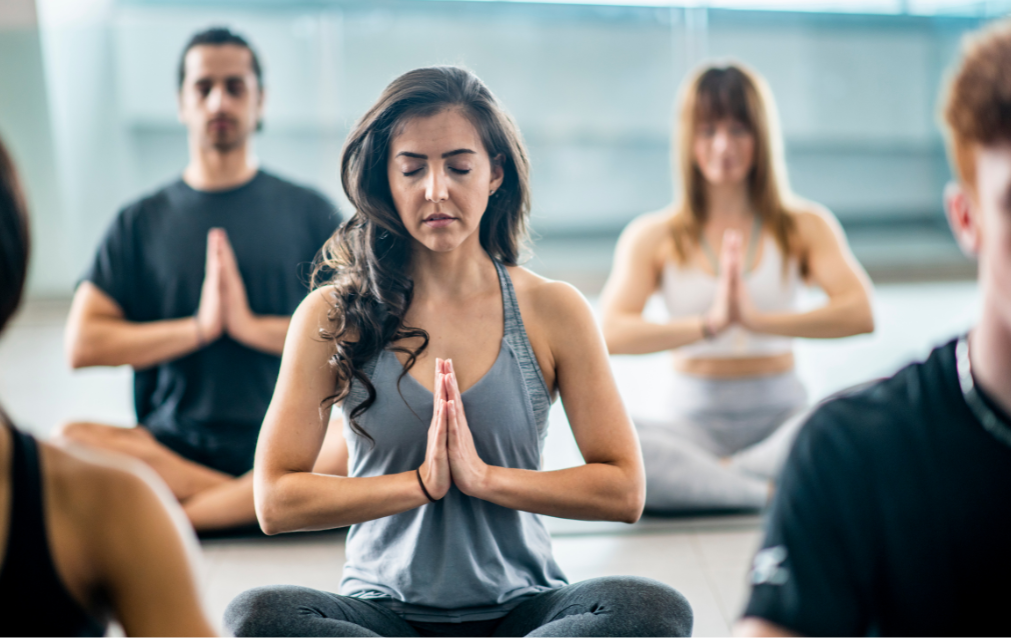
Breathwork: Techniques for Using Breath to Enhance Relaxation and Focus
In today’s fast-paced world, many Australians are seeking effective ways to manage stress, enhance relaxation, and improve focus. One powerful and often overlooked tool is breathwork. This practice harnesses the power of your breath to promote well-being and mental clarity. Let’s explore some techniques and the benefits of breathwork. What is Breathwork? Breathwork refers to various breathing techniques designed to enhance physical, mental, and emotional well-being. By focusing on your breath, you can shift your state of mind, reduce stress, and cultivate a sense of calm and focus. Benefits of Breathwork Reduces Stress and Anxiety: Controlled breathing can help lower cortisol levels, the hormone associated with stress. Improves Focus and Clarity: By increasing oxygen flow to the brain, breathwork can enhance cognitive function and concentration. Promotes Relaxation: Deep, intentional breathing activates the parasympathetic nervous system, helping the body relax. Techniques for Breathwork 1. Diaphragmatic Breathing Also known as “abdominal” or “belly” breathing, this technique involves engaging the diaphragm for deeper breaths. How to Practice: Find a comfortable seated or lying position. Place one hand on your chest and the other on your abdomen. Inhale deeply through your nose, allowing your abdomen to rise while keeping your chest still. Exhale slowly through your mouth, feeling your abdomen fall. Repeat for 5-10 minutes. 2. Box Breathing Box breathing is a simple technique that involves four equal parts: inhale, hold, exhale, and hold. How to Practice: Inhale deeply through your nose for a count of four. Hold your breath for another count of four. Exhale slowly through your mouth for a count of four. Hold your breath again for a count of four. Repeat the cycle for 5-10 minutes. 3. 4-7-8 Breathing This technique, developed by Dr. Andrew Weil, helps calm the mind and body, making it a great tool for relaxation. How to Practice: Sit or lie down comfortably. Inhale through your nose for a count of 4. Hold your breath for a count of 7. Exhale slowly through your mouth for a count of 8. Repeat the cycle four times. 4. Alternate Nostril Breathing This practice balances the body’s energy and promotes mental clarity. How to Practice: Sit comfortably and relax your shoulders. Use your right thumb to close your right nostril. Inhale deeply through your left nostril. Close your left nostril with your right ring finger, then release your right nostril and exhale through it. Inhale through your right nostril, close it, and exhale through your left. Continue this pattern for several minutes. Incorporating Breathwork into Daily Life Finding time for breathwork can be easy. Here are some tips to integrate it into your daily routine: Morning Routine: Start your day with 5 minutes of diaphragmatic breathing to set a calm tone. Breaks at Work: Use box breathing during short breaks to recharge and refocus. Before Sleep: Practice 4-7-8 breathing in bed to help relax your mind and body before sleep. Resources and Support If you’re looking for more structured guidance on breathwork and overall wellness, programs like the Life Program offer resources that can help you cultivate healthy habits and enhance your well-being. Local Workshops Many wellness centres and yoga studios across Australia offer breathwork classes. Check local listings to find a class near you. Conclusion Breathwork is a simple yet powerful practice that can significantly enhance relaxation and focus. By incorporating these techniques into your daily routine, you can manage stress more effectively and improve your overall well-being.