

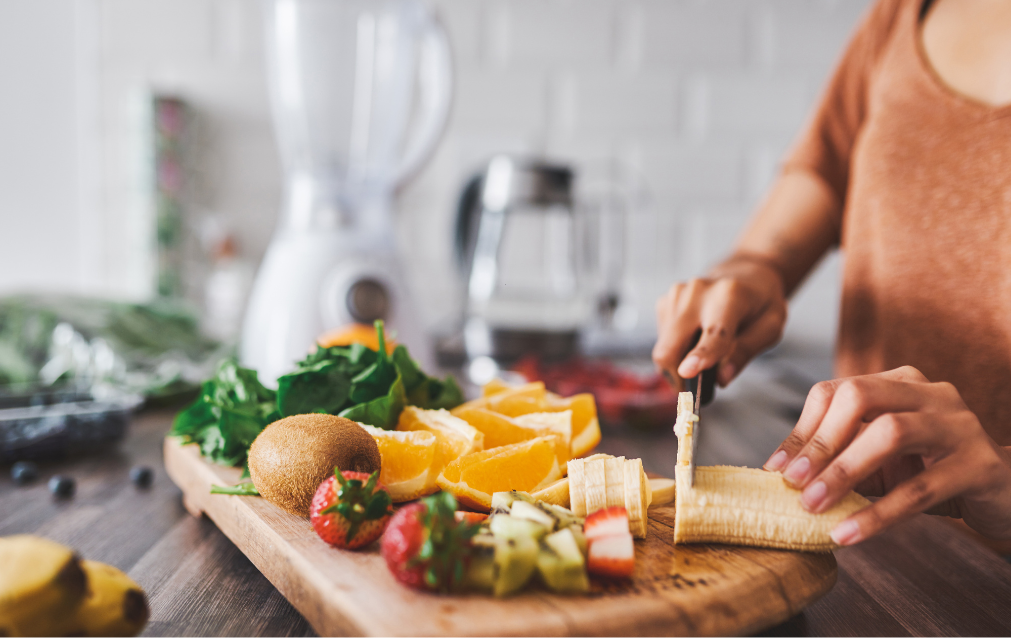
Welcome to our blog on meal planning and preparation, where we help Australians make healthy eating simple and enjoyable! With our busy lifestyles, it can be challenging to maintain a nutritious diet, but with some planning and preparation, you can set yourself up for success. Let’s dive into practical tips tailored for Australian homes, incorporating local resources and health insights. Why Meal Planning Matters Meal planning is more than just a trend; it’s a strategic approach to ensure you’re eating well throughout the week. By planning your meals, you can: Save Time: Spend less time deciding what to cook and shopping for last-minute ingredients. Save Money: Reduce food waste by only buying what you need and avoiding impulse purchases. Promote Healthy Eating: Make better food choices by having nutritious meals ready to go. Getting Started with Meal Planning Assess Your Schedule Look at your week ahead. Identify busy days when cooking might be a challenge, and plan for those days with easy, quick meals. Choose Your Meals Focus on balanced meals that include lean proteins, whole grains, healthy fats, and plenty of vegetables. Here are some ideas: Stir-fries: Quick to prepare and versatile. Use seasonal veggies like broccoli and capsicum. Salads: Make big batches of quinoa or brown rice salads with legumes for added protein. Soups: Great for batch cooking. Try a hearty pumpkin soup, especially during the cooler months. Create a Shopping List Once you’ve decided on meals, write down the ingredients you’ll need. Stick to the list when you go grocery shopping to avoid unnecessary purchases. Tips for Meal Prep Batch Cooking Cook large quantities of grains, proteins, and roasted vegetables at once. Store them in the fridge or freezer for easy access during the week. Use Proper Containers Invest in good-quality, airtight containers to keep your meals fresh. Consider using glass containers, which are durable and microwave-safe. Prep Ingredients Wash, chop, and store vegetables in advance. Having them ready to go makes it easier to throw together meals quickly. Plan for Leftovers Make extra portions of dinner to enjoy for lunch the next day. This reduces cooking time and minimizes waste. Incorporating Life Programs Many Australians are turning to lifestyle programs that emphasize health and well-being. Programs like the Life! Program focus on helping individuals make sustainable lifestyle changes, including meal planning and healthy eating habits. This program provides resources and support to guide participants in making better dietary choices and staying motivated. Useful Australian Resources Eat for Health: Provides guidelines on healthy eating and meal planning tailored for Australians. Nutrition Australia: Offers a wealth of information on meal planning and nutritional advice. Australian Dietary Guidelines: Essential reading for understanding balanced eating patterns. Life! Program: Visit the Life! Program for resources on improving your health and well-being. Quick Meal Prep Ideas Overnight Oats: Combine rolled oats with yogurt or milk and your choice of fruits and nuts. Let them sit overnight for a quick breakfast. Frozen Smoothie Packs: Pre-pack your favorite smoothie ingredients (fruits, spinach, etc.) in bags and freeze. Just blend with liquid in the morning! One-Pan Dishes: Prepare meals that can be cooked on one tray, such as roasted chicken and vegetables. Less cleanup means more time enjoying your meal! Conclusion Meal planning and preparation can transform your approach to healthy eating in Australia. With a bit of organization and creativity, you can enjoy nutritious meals that fit your lifestyle. Remember, the key is to start small and gradually build your meal prep skills. Happy cooking!

Embracing Health and Fitness Down Under: Your Guide to an Active Lifestyle
Welcome to our blog dedicated to promoting health, fitness, and well-being for Australians! Here, we’ll explore various aspects of health, share useful resources, and introduce you to effective programs tailored for our unique lifestyle. Whether you’re in a bustling city or a quiet town, there are endless ways to embrace a healthier life. The Importance of Health and Fitness in Australia Australia is known for its stunning landscapes and outdoor lifestyle, making it an ideal place to focus on health and fitness. With a commitment to an active lifestyle, Australians can combat lifestyle diseases and promote mental well-being. According to the Australian Institute of Health and Welfare (AIHW), physical inactivity is a significant contributor to chronic conditions like obesity, diabetes, and cardiovascular diseases. Prioritizing regular exercise and balanced nutrition is vital for enhancing quality of life. Understanding Aboriginal Health and Wellness It’s essential to recognize the health challenges faced by Aboriginal and Torres Strait Islander communities. These populations experience higher rates of chronic diseases compared to non-Indigenous Australians. Programs aimed at improving Aboriginal health often incorporate cultural practices and traditional diets, promoting both physical and mental well-being. For more information, check out the Closing the Gap initiative, which aims to reduce health inequalities among Indigenous Australians. Effective Fitness Programs for All Australians Local Community Sports Clubs Join a local sports club to stay active and socialize. From footy to netball, community clubs offer various options suitable for all fitness levels. Outdoor Boot Camps Take advantage of Australia’s beautiful parks and beaches by participating in outdoor boot camps. These programs typically focus on group fitness and can provide a supportive environment for achieving your health goals. Online Fitness Programs Websites like Fitness Australia and Workout Anywhere offer a range of online classes and resources that cater to different fitness levels, allowing you to work out from home or on the go. Nutrition: Fueling Your Active Lifestyle Eating a balanced diet is crucial for maintaining energy levels and overall health. Here are some Australian resources to help you get started: Eat for Health: This initiative by the Australian government provides guidelines on healthy eating and recipes that celebrate our local produce. FoodBank Australia: This organization offers resources on food security and nutrition, ensuring that all Australians have access to healthy meals. Mental Health and Well-Being Maintaining mental health is just as important as physical fitness. The Beyond Blue organization provides valuable resources for managing mental health issues, promoting resilience, and understanding the importance of seeking help. Conclusion Embracing a healthier lifestyle in Australia is about finding what works for you. Whether through community involvement, outdoor activities, or online programs, there are endless opportunities to enhance your well-being. By focusing on fitness, nutrition, and mental health, we can create a thriving, healthier Australian community. Remember, every small step counts toward achieving your health goals!

Healthy Habits for Busy Lifestyles: Tips for Incorporating Health into a Packed Schedule
In today’s fast-paced world, finding time to prioritize health can feel challenging. Between work commitments, family responsibilities, and social engagements, it’s easy to let healthy habits slip. However, with a few practical strategies, you can incorporate wellness into your busy lifestyle. Here are some tips to help you stay healthy, even when life gets hectic. 1. Plan Your Meals Meal planning is an effective way to ensure you’re eating nutritious foods, even on your busiest days. Dedicate a few hours each week to prepare meals in advance. This can include batch cooking and portioning meals into containers for easy access during the week. Consider using resources like the Australian Dietary Guidelines for inspiration on balanced meals rich in fruits, vegetables, lean proteins, and whole grains. 2. Stay Hydrated Dehydration can lead to fatigue and decreased focus, making it crucial to drink enough water throughout the day. Keep a reusable water bottle with you and set reminders to drink water regularly. According to Healthdirect Australia, the average adult should aim for about 2.5 liters of water daily, depending on individual needs and activity levels. 3. Incorporate Movement Finding time for exercise can be difficult, but it doesn’t have to be a lengthy commitment. Try to incorporate movement into your daily routine by: Taking the stairs instead of the elevator. Going for a brisk walk during your lunch break. Scheduling short, high-intensity workouts that can be completed in 20-30 minutes. Fitness Australia offers a variety of quick workout ideas that can fit into even the busiest schedules. 4. Prioritize Sleep Quality sleep is essential for overall health and well-being. Aim for 7-9 hours of sleep per night and establish a consistent sleep routine. To improve sleep quality, create a relaxing bedtime ritual, limit screen time before bed, and ensure your sleeping environment is conducive to rest. The Sleep Health Foundation in Australia emphasizes the importance of good sleep hygiene for mental and physical health. 5. Practice Mindfulness Incorporating mindfulness practices, such as meditation or deep breathing exercises, can help manage stress and improve focus. Even a few minutes a day can make a difference. Apps like Headspace or Calm offer guided sessions that can be easily integrated into your routine, making it simple to practice mindfulness wherever you are. 6. Healthy Snacking Keep healthy snacks on hand to avoid reaching for processed options when hunger strikes. Good choices include: Fresh fruit Nuts and seeds Yogurt Veggies with hummus The Australian Institute of Health and Welfare recommends maintaining healthy snacks to help manage energy levels and prevent overeating at meal times. 7. Set Realistic Goals When it comes to health, setting achievable goals is key. Instead of aiming for drastic changes, focus on small, incremental improvements. For example, if you want to exercise more, start by committing to just 10 minutes a day and gradually increase the duration as it becomes a habit. 8. Utilize Technology Take advantage of health apps that can help you track your nutrition, workouts, and hydration. Many Australians use apps like MyFitnessPal or Strava to stay accountable and motivated. These tools can make it easier to incorporate healthy habits into your routine. 9. Engage with Health Programs Consider joining programs like AB Health and Fitness or the Life Program, which provide structured guidance and support for developing healthy habits. These programs often include resources, community support, and professional advice tailored to busy lifestyles. Conclusion Incorporating healthy habits into a busy lifestyle is not only possible but essential for maintaining your overall well-being. By planning meals, staying hydrated, finding opportunities for movement, prioritizing sleep, practicing mindfulness, snacking wisely, setting realistic goals, utilizing technology, and engaging with health programs, you can foster a healthier lifestyle that fits your schedule. Remember, small changes can lead to significant improvements in your health. Start today and make your well-being a priority, no matter how busy life gets!

The Importance of Regular Physical Activity for Health and Well-Being
Regular physical activity is a cornerstone of a healthy lifestyle. In Australia, where sedentary behavior is increasingly common due to desk jobs and screen time, understanding the benefits of staying active is crucial. This blog explores the importance of regular physical activity, its health benefits, and practical ways to incorporate movement into your daily life. Understanding Regular Physical Activity The Australian Physical Activity and Sedentary Behaviour Guidelines recommend that adults engage in at least 150 minutes of moderate-intensity physical activity each week, alongside muscle-strengthening activities on two or more days. This includes activities such as brisk walking, cycling, swimming, or participating in sports. Health Benefits of Regular Physical Activity Improved Physical Health: Regular activity helps maintain a healthy weight, reduces the risk of chronic diseases such as heart disease, type 2 diabetes, and certain cancers. According to the Australian Institute of Health and Welfare (AIHW), physical inactivity contributes to a significant burden of disease in Australia. AIHW Report. Mental Well-Being: Physical activity has been shown to reduce symptoms of anxiety and depression. Exercise stimulates the production of endorphins, often referred to as “feel-good” hormones, which can improve mood and overall mental health. The Australian and New Zealand Journal of Psychiatry highlights the positive effects of exercise on mental health outcomes. ANZJP Study. Enhanced Cognitive Function: Regular physical activity is linked to better cognitive function and a reduced risk of cognitive decline as we age. Research indicates that exercise can improve memory, attention, and problem-solving skills. Stronger Bones and Muscles: Engaging in strength-training exercises contributes to bone density and muscle strength, reducing the risk of osteoporosis and frailty in older adults. The Australian guidelines encourage incorporating resistance training into your routine. Social Connections: Participating in group activities or team sports fosters social interaction, reducing feelings of loneliness and isolation. Community engagement through physical activities can enhance mental health and build lasting relationships. How to Incorporate Regular Physical Activity Set Realistic Goals: Start with small, achievable goals, such as a 10-minute walk each day, and gradually increase your activity level. Tracking your progress can help maintain motivation. Choose Enjoyable Activities: Engage in activities you enjoy, whether it’s dancing, hiking, swimming, or playing a sport. Finding joy in movement increases the likelihood of sticking with it. Make it a Habit: Schedule physical activity into your daily routine, just like any other important appointment. Consistency is key to making exercise a regular part of your life. Get Creative: Look for ways to incorporate movement into your day. Take the stairs instead of the elevator, walk or cycle for short trips, or try a standing desk. Join a Community: Participating in local fitness groups, classes, or sports teams can provide motivation and make exercise more enjoyable. The Australian Government provides resources to find local activities. Find Local Activities. Local Resources for Support Physical Activity Australia: Offers resources and programs to promote physical activity across Australia. Physical Activity Australia. Active Australia: A program aimed at increasing participation in physical activity among Australians. Visit their website for tips and resources. Active Australia. Health Direct: Provides a range of information about the benefits of physical activity and guidelines on how to get started. Health Direct. Take the Next Step with the Life! Program If you’re ready to embrace a healthier lifestyle, consider signing up for the Life! Program or connecting with AB Health and Fitness. Both offer expert support, resources, and a nurturing community to help you succeed in your fitness journey. Sign Up Today! For more information about the Life! Program and how to get started, visit Life Program or AB Health and Fitness. Your journey to a healthier you begins now! Conclusion Regular physical activity is essential for maintaining a healthy lifestyle and improving overall well-being. By understanding its benefits and incorporating movement into your daily life, you can enhance your physical and mental health. Remember, it’s never too late to start. Embrace an active lifestyle, and reap the rewards for years to come!

Prioritize Mental Well-Being: The Connection to Health and Fitness
In the journey toward better health and fitness, it’s easy to focus solely on physical goals—losing weight, building muscle, or increasing endurance. However, mental well-being plays a crucial role in achieving and maintaining these objectives. As Australians increasingly recognize the importance of a holistic approach to health, understanding the connection between mental well-being, health, and fitness is essential. This blog explores practical strategies to enhance mental health while achieving your fitness goals. Understanding Mental Well-Being Mental well-being encompasses our emotional, psychological, and social health. It affects how we think, feel, and act, influencing our ability to cope with stress, relate to others, and make choices. According to the Australian Institute of Health and Welfare, mental health conditions are prevalent, affecting one in five Australians annually. AIHW: Mental Health. The Interplay Between Mental Health and Fitness Exercise as a Mood Booster: Physical activity releases endorphins, the body’s natural mood lifters. Regular exercise can reduce symptoms of anxiety and depression, improve mood, and enhance overall mental well-being. A study published in the Australian and New Zealand Journal of Psychiatry found that exercise is an effective intervention for improving mental health outcomes. ANZJP Study. Setting Goals and Building Confidence: Engaging in fitness activities allows you to set and achieve personal goals. This process not only improves physical health but also boosts self-esteem and confidence. Achieving fitness milestones can create a positive feedback loop, reinforcing mental resilience. Social Connections through Fitness: Participating in group fitness classes, team sports, or community events fosters social connections. These interactions can provide emotional support and reduce feelings of isolation, which are crucial for mental well-being. The Australian Red Cross emphasizes the importance of community engagement for mental health. Red Cross Community Programs. Strategies to Prioritize Mental Well-Being in Your Fitness Journey 1. Incorporate Mindfulness into Your Workouts Mindfulness can enhance your exercise routine by helping you stay present and focused. Practices such as yoga and tai chi not only improve flexibility and strength but also promote mental clarity and relaxation. Apps like Smiling Mind offer mindfulness techniques tailored for physical activities. 2. Find Activities You Enjoy Engaging in activities you love makes it easier to stick to a fitness routine. Whether it’s dancing, hiking, swimming, or cycling, choose exercises that bring you joy. Enjoyable activities can improve your motivation and overall mental health. 3. Establish a Routine Creating a regular exercise schedule can provide structure and predictability, reducing stress and anxiety. Aim to incorporate a mix of cardio, strength training, and flexibility exercises into your routine. The Australian Physical Activity and Sedentary Behaviour Guidelines recommend at least 150 minutes of moderate-intensity activity each week. Physical Activity Guidelines. 4. Prioritize Recovery and Rest Rest days and recovery practices, such as stretching and meditation, are essential for mental and physical health. They allow your body and mind to recharge, reducing the risk of burnout. The Sleep Health Foundation recommends prioritizing sleep hygiene to support both physical recovery and mental clarity. Sleep Health Foundation. 5. Seek Professional Guidance If you’re struggling to balance mental health and fitness, consider consulting a health professional or fitness coach. They can provide personalized guidance and support to help you achieve your goals while prioritizing your mental well-being. The Mental Health Care Navigator is a useful resource for finding appropriate services in Australia. Mental Health Care Navigator. Local Resources for Support Beyond Blue: Offers support and resources for individuals experiencing anxiety and depression. Their website provides valuable information on mental health and well-being. Beyond Blue. Lifeline Australia: Provides a 24/7 helpline for crisis support and suicide prevention. If you’re in need of immediate assistance, Lifeline is a crucial resource. Lifeline. Headspace: Focuses on supporting young people with mental health issues. They offer resources, support services, and programs to promote mental well-being. Headspace. Additional Resources: For further support, visit this link. Take the Next Step with the Life! Program Are you ready to take the first step toward a healthier, more vibrant life? The Life! Program offers the support, resources, and community you need to succeed. With expert guidance and a focus on sustainable change, you’ll be well-equipped to achieve your health goals. Sign Up Today! For more information about the Life! Program and how to get started, contact us at AB Health and Fitness or visit our website at AB Health and Fitness or Life Program. Your journey to a healthier you begins now! Conclusion Prioritizing mental well-being is vital for achieving health and fitness goals. By recognizing the interconnectedness of mental health and physical activity, you can create a holistic approach to your wellness journey. Incorporate mindfulness, find enjoyable activities, establish routines, and seek support when needed. Remember, taking care of your mental health is just as important as your physical health. Embrace this holistic approach, and unlock your full potential for a healthier, happier life!

Unlock Your Potential in Health and Wellness
In a world where health and wellness are increasingly prioritized, unlocking your potential can feel like a daunting task. However, with the right mindset, resources, and strategies, you can embark on a transformative journey toward better health. This blog will guide you through practical steps to enhance your well-being, with a focus on Australian resources and references. Understanding Health and Wellness Health and wellness encompass more than just the absence of illness; they involve physical, mental, and social well-being. Achieving a balanced lifestyle requires attention to various aspects, including nutrition, exercise, mental health, and community engagement. 1. Nourish Your Body A balanced diet is foundational to good health. Here are some key principles: Eat a Variety of Foods: Aim to include fruits, vegetables, whole grains, lean proteins, and healthy fats in your meals. The Australian Dietary Guidelines recommend at least five serves of vegetables and two serves of fruit daily. Eat for Health. Stay Hydrated: Drinking enough water is crucial for overall health. The National Health and Medical Research Council recommends about 2.1 to 2.6 liters per day for adults. NHMRC: Water Intake. Plan Your Meals: Meal planning can help you make healthier choices and save time. Resources like Nutrition Australia provide meal planning tips and recipes. Nutrition Australia: Meal Planning. 2. Move Your Body Regular physical activity is essential for maintaining a healthy lifestyle. The Australian Physical Activity and Sedentary Behaviour Guidelines recommend: At least 150 minutes of moderate-intensity exercise each week, such as brisk walking or cycling. Incorporate strength training on at least two days a week to build muscle and bone health. Australian Government: Physical Activity Guidelines. 3. Prioritize Mental Well-being Mental health is a critical component of overall wellness. Here are some strategies to enhance your mental well-being: Practice Mindfulness: Techniques such as meditation, yoga, and deep breathing can help reduce stress and increase focus. Apps like Smiling Mind and Headspace are popular tools in Australia. Stay Connected: Building strong relationships with friends and family can improve your mental health. Engage in community activities or volunteer opportunities to foster connections. Australian Red Cross: Community Programs. 4. Get Quality Sleep Good sleep hygiene is vital for recovery and overall health. Here are some tips for better sleep: Create a Sleep Schedule: Go to bed and wake up at the same time every day to regulate your body clock. Design a Relaxing Sleep Environment: Keep your bedroom dark, quiet, and cool to promote restful sleep. The Sleep Health Foundation offers resources for improving sleep quality. Sleep Health Foundation. 5. Seek Support Unlocking your potential in health and wellness doesn’t have to be a solitary journey. Consider engaging with local programs and resources: The Life! Program: This initiative offers support for weight management and lifestyle changes through community engagement and expert guidance. Life! Program. Local Health Services: Many local councils and health departments offer workshops, classes, and resources focused on nutrition and wellness. Check your state or territory health department for more information. State Health Departments Directory. Embrace Change with the Life! Program If you’re ready to embrace a healthier lifestyle, the Life! Program is your gateway to lasting change. With expert support and a nurturing community, you’ll be empowered to make the changes you’ve always wanted. Get Started Now! For more information about the Life! Program and how to enroll, contact us at AB Health and Fitness or visit our website. Your journey to a healthier, happier you is just around the corner! Conclusion Unlocking your potential in health and wellness is a journey that requires commitment and the right resources. By focusing on balanced nutrition, regular physical activity, mental well-being, quality sleep, and community support, you can create a healthier, more fulfilling life. Remember, small changes can lead to significant improvements. Take the first step today and embrace the journey toward unlocking your potential!

Nutrition Education: Fueling a Healthier Australia
In Australia, the emphasis on health and fitness has never been stronger. With rising rates of obesity and lifestyle-related diseases, nutrition education is crucial in promoting healthier choices. This blog will explore the importance of nutrition education, practical tips for Australians, and some local resources to help you on your journey to better health. Understanding Nutrition Nutrition is the science of how food affects the body. It’s about more than just calories; it encompasses the nutrients we consume and how they support our overall health. A balanced diet should include: Fruits and Vegetables: Aim for at least five serves a day. Australian guidelines recommend choosing a variety of colors to maximize nutrient intake. Australian Dietary Guidelines: Fruits and Vegetables Whole Grains: Swap white bread and rice for whole grain options to increase fiber and essential nutrients. Nutrition Australia: Whole Grains Lean Proteins: Incorporate sources like fish, poultry, legumes, and nuts. The Australian Dietary Guidelines suggest reducing red meat intake and opting for fish a couple of times a week. Eat for Health: Protein Healthy Fats: Include sources of omega-3 fatty acids, such as chia seeds and walnuts, which are essential for brain health. Heart Foundation: Healthy Fats The Role of Nutrition Education Nutrition education helps individuals understand how their food choices impact their health. It empowers people to make informed decisions about their diets. Here are some key benefits: Disease Prevention: Knowledge about nutrition can help reduce the risk of chronic diseases such as diabetes and heart disease, which are prevalent in Australia. Australian Institute of Health and Welfare: Chronic Disease Weight Management: Understanding portion sizes and calorie content can assist in maintaining a healthy weight. Healthy Weight Guide Mental Well-being: Nutrition plays a crucial role in mental health. Certain nutrients can affect mood and cognitive function. Beyond Blue: Nutrition and Mental Health Practical Tips for Australians Read Food Labels: Understanding nutrition labels is vital. Look for items low in added sugars, salt, and unhealthy fats. Food Labels: Understanding Nutrition Information Panels Plan Meals: Meal planning can reduce the temptation of unhealthy choices. Consider preparing a weekly menu that incorporates a variety of foods. Australian Institute of Family Studies: Meal Planning Water is essential for overall health. The Australian Dietary Guidelines recommend drinking water as your primary beverage. National Health and Medical Research Council: Water Participate in Community Programs: Engage with local health initiatives, such as nutrition workshops and cooking classes. Many local councils offer free or low-cost programs that promote healthy eating. Healthier Queensland: Local Health Initiatives Local Resources Nutrition Australia: This organization provides resources, tips, and guidance on healthy eating tailored for Australians. Nutrition Australia The Australian Dietary Guidelines: A comprehensive resource for understanding what constitutes a balanced diet and how to implement it in daily life. Australian Dietary Guidelines State Health Departments: Many states have nutrition programs aimed at schools and communities, promoting healthy eating from a young age. State Health Departments Directory Take the First Step Are you ready to take the first step toward a healthier, more vibrant life? The Life! Program offers the support, resources, and community you need to succeed. With expert guidance and a focus on sustainable change, you’ll be well-equipped to achieve your health goals. Learn more about the Life! Program. Conclusion Nutrition education is a vital component of promoting a healthier Australia. By understanding the importance of what we eat and making informed choices, we can collectively improve our health outcomes. Remember, small changes in your eating habits can lead to significant benefits. So let’s embrace nutrition education and fuel our bodies with the goodness they deserve!

Discover a Healthier Lifestyle: Your Guide to Well-being in Australia
In today’s fast-paced world, leading a healthier lifestyle can feel overwhelming. However, with the right resources and mindset, you can make small changes that have a big impact. This blog will guide you through practical tips and Australian references to help you discover a healthier lifestyle. Understanding a Healthy Lifestyle A healthy lifestyle encompasses a balanced diet, regular physical activity, mental well-being, and good sleep hygiene. Here’s how you can integrate these elements into your daily routine: 1. Balanced Nutrition Eating a balanced diet is the foundation of good health. Here are some key components: Fruits and Vegetables: Aim for at least five servings a day. The Australian Dietary Guidelines emphasize the importance of variety and color in your choices. Eat for Health. Whole Grains: Choose whole grains over refined grains to increase fiber intake and essential nutrients. Nutrition Australia: Whole Grains. Lean Proteins: Incorporate sources such as fish, poultry, beans, and nuts. The guidelines suggest limiting red meat consumption. Eat for Health: Protein. 2. Regular Physical Activity Staying active is crucial for maintaining a healthy lifestyle. The Australian Physical Activity and Sedentary Behaviour Guidelines recommend: At least 150 minutes of moderate-intensity exercise each week, such as brisk walking or cycling. Strength training on at least two days a week to improve muscle and bone health. Australian Government: Physical Activity Guidelines. 3. Mental Well-being Mental health is just as important as physical health. Here are some strategies to improve your mental well-being: Mindfulness and Meditation: Practices like meditation can help reduce stress and improve focus. Consider apps like Headspace or Smiling Mind, which are popular in Australia. Connect with Others: Social support is vital. Engage with family, friends, or community groups to foster connections. The Australian Red Cross offers various programs to help connect people in your community. Red Cross Community Programs. 4. Sleep Hygiene Quality sleep is essential for overall health. To improve your sleep: Establish a Routine: Go to bed and wake up at the same time every day. Create a Relaxing Environment: Keep your bedroom dark, quiet, and cool. The Sleep Health Foundation provides resources on improving sleep hygiene and understanding its importance. Sleep Health Foundation. Local Resources to Support Your Journey The Life! Program: This initiative offers community support for weight management and lifestyle changes. It provides resources and expert guidance to help you achieve your health goals. Life! Program. Nutrition Australia: A great resource for recipes, tips, and information on healthy eating. Nutrition Australia. State Health Departments: Many states provide resources and programs aimed at promoting healthy living in the community. Check your local health department for programs tailored to your area. Health Departments Directory. Conclusion Embarking on a journey toward a healthier lifestyle is a rewarding endeavor. By focusing on balanced nutrition, regular physical activity, mental well-being, and good sleep hygiene, you can make lasting changes. Remember, small steps lead to significant progress. With the support of local resources and a commitment to change, you can discover a healthier, happier you. Let’s get started today!
Embrace a Healthier You: Your Journey to Wellness
At AB Health & Fitness, we believe that embracing a healthier you is not just a goal—it’s a lifestyle. Whether you’re looking to improve your physical fitness, enhance your mental well-being, or adopt healthier eating habits, every small step can lead to significant changes. Let’s explore practical ways to embrace a healthier lifestyle and the resources available to support you on this journey. Understanding the Importance of a Healthy Lifestyle Adopting a healthier lifestyle goes beyond physical fitness; it encompasses mental and emotional well-being as well. According to the Australian Institute of Health and Welfare (AIHW), maintaining a balanced lifestyle can reduce the risk of chronic diseases, improve mental health, and enhance overall quality of life. 1. Set Clear and Achievable Goals Starting your journey begins with setting clear, achievable goals. Here’s how to get started: SMART Goals: Use the SMART criteria (Specific, Measurable, Achievable, Relevant, Time-bound) to define your health objectives. For example, instead of saying, “I want to lose weight,” aim for “I want to lose 5 kg in three months by exercising three times a week and eating more fruits and vegetables.” Focus on Progress, Not Perfection: Celebrate small victories along the way. Every step counts, and progress is more important than perfection. 2. Prioritize Physical Activity Regular physical activity is crucial for maintaining a healthy lifestyle. The Physical Activity and Exercise Guidelines recommend that adults engage in at least 150 to 300 minutes of moderate-intensity physical activity each week. Here are some ideas to help you get moving: Find Activities You Enjoy: Whether it’s dancing, swimming, hiking, or participating in group fitness classes at AB Health & Fitness, choose activities that bring you joy. This will help you stay motivated. Mix It Up: Incorporate a variety of exercises, including cardiovascular, strength training, and flexibility workouts. This not only keeps things interesting but also benefits different aspects of your health. 3. Nourish Your Body Healthy eating is a cornerstone of a healthier lifestyle. Here are some tips to improve your nutrition: Follow the Australian Dietary Guidelines: Aim to include a variety of foods in your diet, focusing on whole grains, lean proteins, fruits, and vegetables. For more details, visit the Australian Dietary Guidelines. Stay Hydrated: Drink plenty of water throughout the day. Proper hydration is essential for overall health and can enhance your physical performance. 4. Prioritize Mental Well-Being Mental health is just as important as physical health. Here are some strategies to support your mental well-being: Practice Mindfulness: Engage in mindfulness practices such as meditation, deep breathing exercises, or yoga. These can help reduce stress and improve your overall mood. Seek Support: Don’t hesitate to reach out for help if you’re struggling. The Mental Health Foundation Australia offers valuable resources and support for mental health challenges. 5. Build a Supportive Community Surrounding yourself with a supportive community can significantly enhance your journey towards a healthier you: Join Group Classes: Participating in group fitness classes at AB Health & Fitness can provide motivation, accountability, and a sense of belonging. Connect with Others: Share your goals with friends, family, or fellow gym members. Having a support system can make the journey more enjoyable and successful. Conclusion Embracing a healthier you is a journey that requires commitment, patience, and the right resources. At AB Health & Fitness, we are dedicated to supporting you every step of the way. By setting clear goals, prioritizing physical activity, nourishing your body, and focusing on mental well-being, you can achieve a balanced and fulfilling lifestyle. Sign up today! For more information on the Life! Program and how to get involved, contact us at AB Health and Fitness or visit our website. Let’s embark on this journey together toward a healthier, happier you!

Your Goals, Our Commitment: Supporting Your Health and Wellness Journey
At AB Health & Fitness, we understand that every individual has unique health and wellness goals. Whether you aim to lose weight, build strength, improve flexibility, or enhance your mental well-being, our commitment is to provide the support, resources, and community you need to achieve those goals. Let’s explore how we can work together to help you succeed on your health journey. Understanding Your Goals Setting clear and achievable goals is the foundation of any successful health and wellness journey. According to the Australian Institute of Health and Welfare (AIHW), having specific objectives can significantly improve motivation and outcomes. Here’s how we help you define and achieve your goals: Personalized Assessments: We begin with a comprehensive health assessment to understand your current status, preferences, and challenges. This helps tailor a fitness plan that aligns with your specific needs. SMART Goals: We encourage you to set SMART (Specific, Measurable, Achievable, Relevant, Time-bound) goals. This framework not only clarifies your objectives but also provides a roadmap to track your progress. Our Commitment to Support At AB Health & Fitness, our commitment to your success goes beyond just providing a workout space. We offer a variety of resources designed to support you every step of the way: Personal Training: Our experienced trainers work with you to create customized workout plans that cater to your individual goals, ensuring you receive the guidance and motivation you need. Group Classes: Join our diverse range of group classes that cater to different interests and fitness levels. From yoga and Pilates to high-intensity interval training (HIIT), there’s something for everyone! Nutrition Guidance: Nutrition plays a crucial role in achieving your health goals. Our team provides resources and support to help you make informed dietary choices that complement your fitness routine. Check out the Australian Dietary Guidelines for more information on healthy eating. Mental Well-being Support: Mental health is an essential component of overall wellness. We offer resources and workshops focused on stress management, mindfulness, and emotional well-being. The Mental Health Foundation Australia is a valuable resource for additional support. Building a Supportive Community A strong support network can make a significant difference in achieving your goals. At AB Health & Fitness, we foster a welcoming and inclusive environment where members encourage and motivate one another: Community Events: Participate in our regular community events, challenges, and workshops that promote engagement and connection among members. Accountability Partners: Find a workout buddy or join a group to share your journey, celebrate achievements, and hold each other accountable. Tracking Progress and Celebrating Success Tracking your progress is vital to maintaining motivation and adjusting your goals as needed. We provide tools and resources to help you monitor your achievements: Progress Assessments: Regular check-ins with our trainers allow you to assess your progress and make necessary adjustments to your fitness plan. Celebrate Milestones: We believe in celebrating every success, no matter how small. Whether you reach a fitness milestone or make healthier dietary choices, we’ll be there to acknowledge and celebrate your achievements. Conclusion At AB Health & Fitness, your goals are our commitment. We are dedicated to providing the support, resources, and community you need to thrive on your health and wellness journey. Together, we can work towards a healthier, happier you. Embrace the journey and take the first step towards achieving your goals today!